

Website Checker: Your Path to Confident Crypto Tax Filing
Why crypto users should care about website checkers
Imagine it’s tax season in 2026. You’re trying to gather all your crypto information to file your taxes, but the website for your favorite exchange or tax tool is slow or won’t even load. Frustrating, right? This isn’t just a minor inconvenience for crypto users. When key websites are down or running poorly, it can seriously mess up your crypto tax tasks.
Think about it. You need to access your transaction history from various exchanges. If the exchange website is acting up, you can’t get that important data. The same goes for crypto tax-reporting tools. These tools rely on websites and data feeds to work. If their site is down or an important website link checker shows problems, you can’t generate the reports you need. Even checking specific transactions through a wallet explorer API can be impossible if the service isn’t working. Businesses work hard to make sure their services are always available, often aiming for very high uptime, like 99.97% availability for busy systems in 2026, because they know how important it is for you to access their tools quickly and easily [^1].
When these services are unavailable, it can lead to real problems. You might miss important tax deadlines because you couldn’t get your records in time. Or, even worse, you could lose track of crucial information, making it harder to prove your crypto activities to the tax authorities.

This creates a lot of stress and opens the door to compliance concerns. You need to know if a website is truly down for everyone, or just for you, so you can take the right steps. This is where a good website checker becomes your best friend. Services that monitor how users experience websites are key to preventing such issues [^2].
This guide will walk you through how to choose a useful website checker, how to understand what it tells you, and how to fit it into your own crypto tax planning. We’ll help you feel more confident about managing your crypto tax obligations. For more easy-to-follow crypto tips and safety advice, you might like to subscribe to the free Clicks and Trades newsletter.

[^1]: [PDF] An Evidence-Based Framework for Real-Time SLA Compliance and … (2026)
[^2]: [PDF] AWS Prescriptive Guidance – Accelerating observability outcomes (2026)
A website checker is like a health monitor for the internet. It helps you know if a website is working well or if it’s having problems. For crypto users, this is super important, especially when you need to access your accounts or tax tools. Let’s break down what these checkers look for.
What Does a Website Checker Actually Do?
Think of it this way:
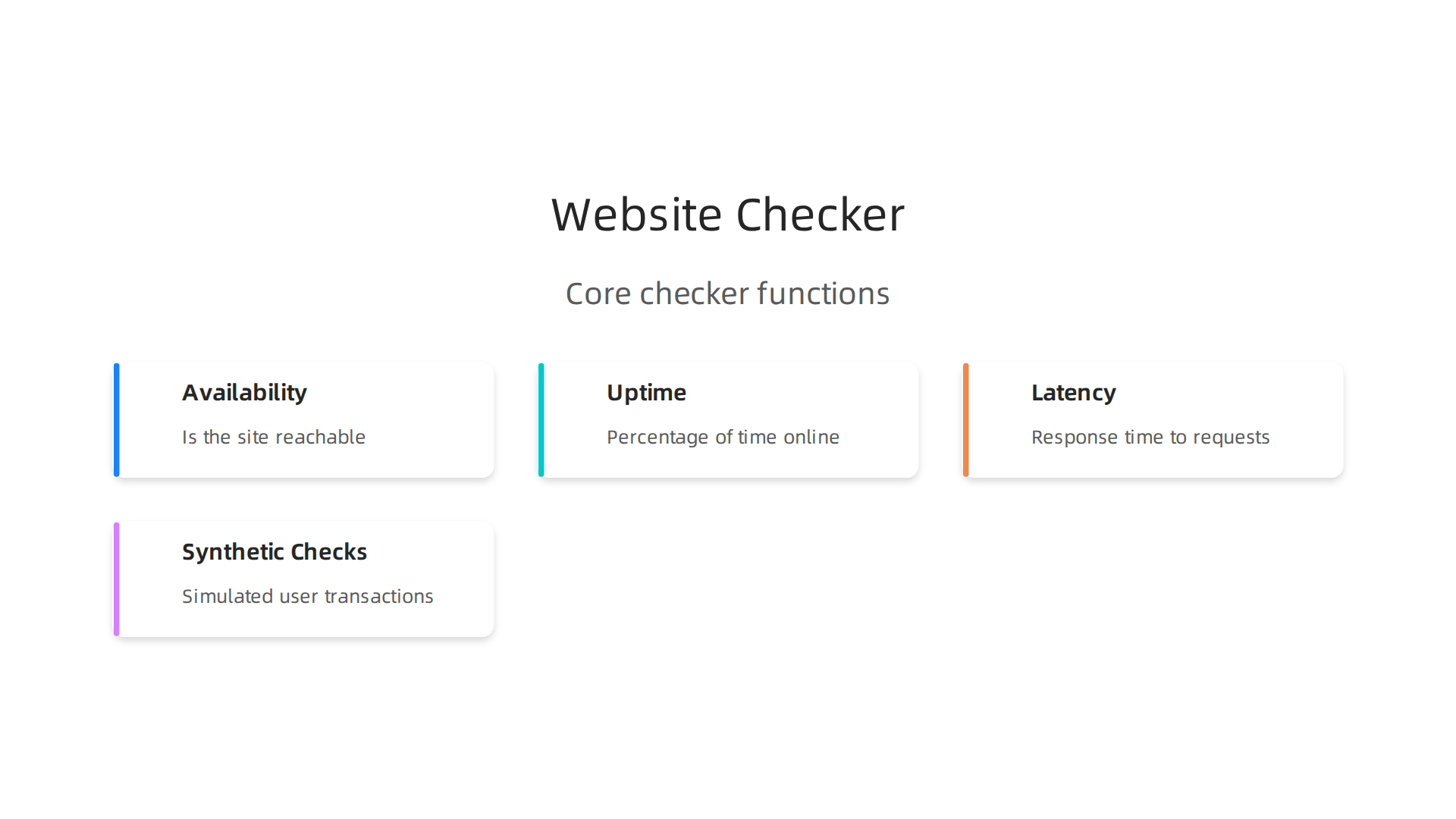
- Is it available? This is about "site availability." It simply asks: Is the website there and ready for you to use? If your crypto exchange website is available, you can log in. If not, it’s like a store with a "closed" sign.
- How often is it working? This is called "uptime." It’s a percentage that tells you how much time a website is working over a period. For example, 99.9% uptime means it’s almost always running. Businesses work hard to keep their websites up most of the time [^1]. A good website down checker tracks this to make sure your crypto platform is reliable.
- How fast is it? This is "latency" or "response time." It’s how quickly the website replies when you try to load a page or click a button. If it takes too long, that’s high latency. Fast response times are important for smooth crypto transactions and quick access to your tax records [^6].
- Does it do what it’s supposed to? Some advanced tools use "synthetic checks." These are like little robot users that visit a website and try to do common tasks, like logging in or checking a price. They do this even when no real users are around, making sure everything works as it should [^4]. This helps companies spot problems before you do.
What Kinds of Information Do Checkers Give You?
When you use a website checker, it gives you simple reports:
- "Up" or "Down" Status: This is the most basic and helpful piece of information. If it says "Down," you know the problem isn’t just with your computer or internet. This helps you figure out if you need to troubleshoot your own setup or wait for the website to fix things. Knowing this can save you a lot of worry.
- Response Time: This number tells you how many milliseconds (tiny fractions of a second) it took for the website to reply. A low number is good. If it’s high, the website might feel slow, which can be annoying when you’re trying to get your crypto tax documents.
- Error Codes: Sometimes you’ll see a number like "404" or "500."
- A "404 Not Found" means the specific page you asked for doesn’t exist. Maybe the link you clicked was old or broken. This could happen if you click a faulty link to get to your crypto tax report.
- A "500 Internal Server Error" means something went wrong on the website’s side. It’s not your fault, and usually, you just have to wait for them to fix it. These errors are often caught by tools that watch a website’s overall health [^8].
Easy Checks You Can Do Yourself
You don’t need to be a tech expert to do some simple checks.
- Just open it: Try loading the website in your usual web browser. If it doesn’t work, try a different browser like Chrome, Firefox, or Safari. You could also try on your phone using mobile data instead of Wi-Fi. This helps you see if the problem is with your device or internet connection.
- Use a free online website down checker: There are many free tools online where you can type in a website address. They’ll quickly tell you if the site is down for everyone or just you.
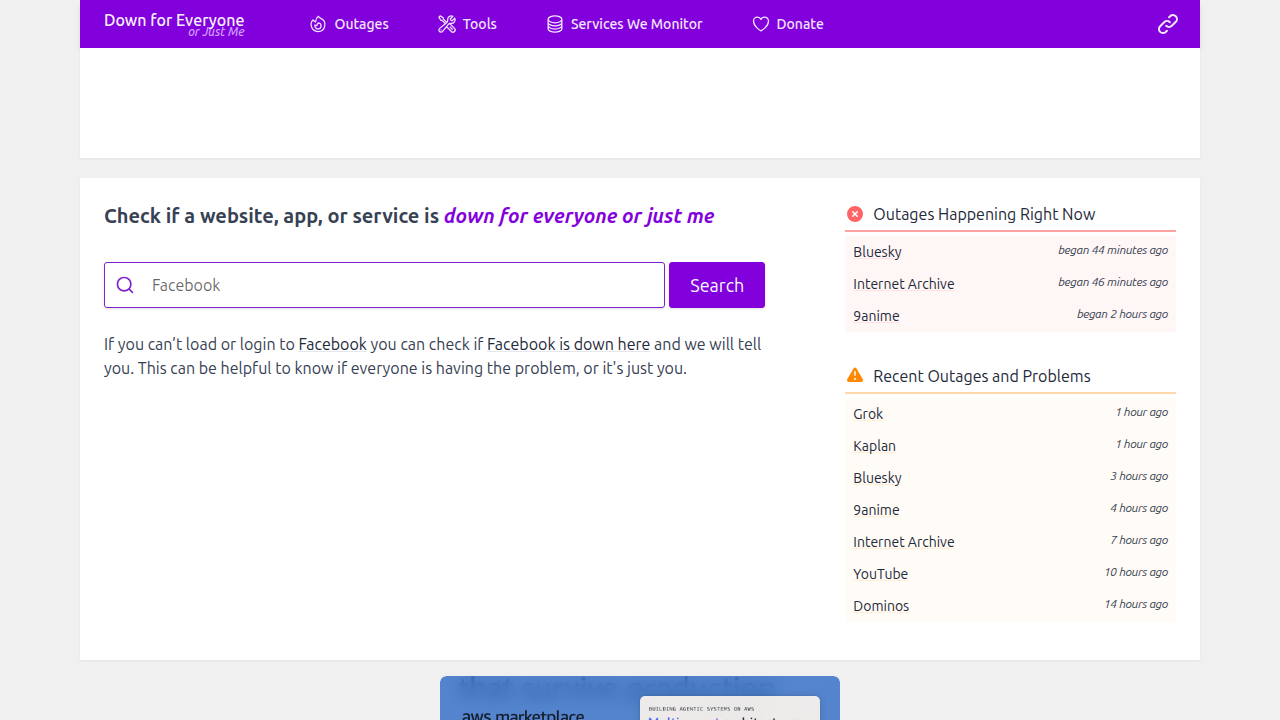
This is a quick way to get a general status check. Some even work as a sitemap checker or website link checker.
Understanding what a website checker does can give you peace of mind, especially when dealing with important crypto tasks. For more helpful tips on managing your crypto and understanding your tax obligations in 2026, consider signing up for the free Clicks and Trades newsletter. You’ll get simple, clear advice delivered right to your inbox. If you’re looking to gain a practical understanding of your crypto tax obligations, our services at Crypto Tax Compass can help simplify the process, preparing you to confidently file your taxes or work with a tax professional.
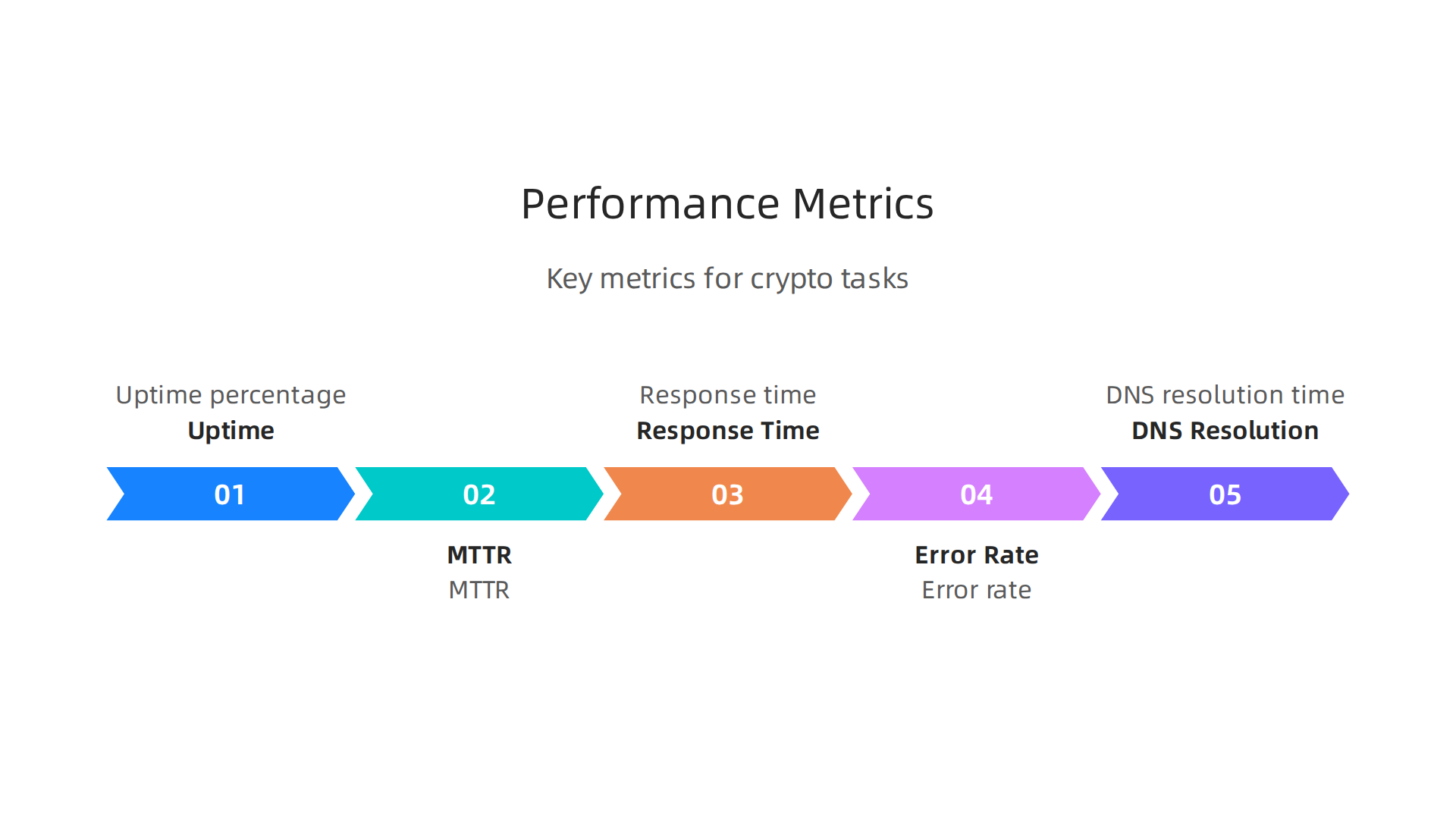
A website checker does more than just tell you "up" or "down." It watches several important numbers, called metrics, that tell you how well a website is really doing. Knowing these numbers helps you understand if your crypto exchange or tax tool is reliable, especially when you need to act fast.
Here are the key things these checkers keep an eye on:
Uptime Percentage
This is the big one. "Uptime" tells you how much time a website is working and ready for you to use. It’s usually shown as a percentage over a month or year. For example, 99.9% uptime means the website was only down for a tiny bit of time, maybe a few minutes total. For crypto, high uptime means your exchange or wallet is almost always there when you need to buy, sell, or get your tax documents. Companies work hard to keep their websites up most of the time to serve users well [^8].
- For Crypto Tasks: If your crypto exchange has low uptime, you might miss out on trading chances or struggle to access your account when tax season rolls around in 2026.
- Simple Threshold: You want to see 99.9% uptime or higher. Any less could mean annoying interruptions.
Mean Time to Recovery (MTTR)
Imagine a website goes down. "Mean Time to Recovery" is how long it takes for the website to get back to normal after a problem. It’s like how quickly a store reopens after a power outage.
- For Crypto Tasks: A low MTTR means if your crypto platform has a hiccup, it gets fixed fast. This is crucial for real-time payments and transactions where every second counts [^6]. If a website takes hours to recover, you could miss important market moves or get delayed submitting time-sensitive crypto tax information.
- Simple Threshold: The lower this number, the better. Ideally, you want recovery in minutes, not hours.
Response Time (Latency)
We talked about this before as "how fast it is." This metric measures how quickly the website server replies to your computer when you click a button or try to load a page. It’s measured in milliseconds (ms). Fast response times are important for smooth online experiences [^1].
- For Crypto Tasks: If your crypto tax software’s API (the way it talks to exchanges) is slow, it might not be able to pull in your transaction data correctly, leading to errors or failed imports. Slow response times can also cause delays in trading or checking prices on an exchange.
- Simple Threshold: Aim for response times under 500ms. Anything above that can start to feel slow. Faster is always better.
Error Rate
This tells you how often a website shows an error message instead of doing what you asked. For example, if you try to log in ten times and get an error twice, that’s a 20% error rate. Good website checkers track these issues to make sure the user experience is smooth [^5].
- For Crypto Tasks: A high error rate means you might constantly get "transaction failed" messages or encounter issues trying to download your year-end crypto tax report. These failures can be tracked by tools that look for unusual patterns [^6].
- Simple Threshold: Keep this as close to 0% as possible. Even 1-2% can be very frustrating.
DNS Resolution Time
When you type a website name like "google.com," your computer has to find its "address" on the internet, which is a set of numbers. "DNS Resolution Time" is how long that process takes.
- For Crypto Tasks: If this is slow, your computer struggles to even find the crypto exchange or tax platform, meaning the website can’t even start to load. This can feel like the internet isn’t working even if it is.
- Simple Threshold: Ideally, this should be under 100ms.
Why Conservative Thresholds Matter for Crypto Taxes
Setting strict, or "conservative," thresholds for these metrics is super important for anyone dealing with crypto. If a website checker alerts you the moment a website starts to slow down or shows a few errors, you can react quickly.

This early warning helps ensure you always have access to your critical crypto platforms and all your transaction data. This is key for accurate recordkeeping and staying compliant with your tax obligations in 2026. Knowing these numbers helps you stay on top of things.
If you’re interested in mastering how to keep track of your crypto data and stay ahead of tax season, you might find our guide on Why Performance Analytics Matters for Crypto Taxes helpful. It provides more tips on using data to your advantage. For more simple, clear advice on understanding and managing your crypto tax obligations, consider subscribing to the free Clicks and Trades newsletter.
Are you looking for practical help to understand your crypto tax obligations?
Not all website checkers work the same way. Some watch real people, and some pretend to be people. Knowing the differences helps you pick the best tool to keep an eye on your crypto exchanges and tax tools in 2026.
Here are the main types of website checkers:
Active vs. Passive Monitoring
Think of website checkers as having two main ways to keep an eye on things:
- Active Monitoring (Synthetic Checks): This is like sending a robot to check a website. An active website checker acts like a user, visiting your crypto exchange or tax platform again and again from different places. It performs tasks, like logging in or trying to make a trade, to see if everything works. This type of check helps find problems even when no real people are using the site yet [^2]. It gives you a steady, controlled way to check performance.
- Passive Monitoring (Real User Monitoring or RUM): This type of website checker watches what real people do on a website. It collects information about how fast pages load for actual users and if they run into any error messages [^4]. It’s like getting live feedback from everyone visiting the site. RUM shows you the actual experience your users are having right now [^3].
Different Kinds of Checks
Beyond how they monitor, website checkers can look at different parts of a site:
- HTTP/S Checks: This is the simplest kind of website down checker. It just asks a website, "Are you there?" It checks if the main web page loads correctly using HTTP or the secure HTTPS connection. This is great for knowing if your crypto exchange’s main page is generally available for anyone to see.
- API Checks: Many important things on crypto sites happen behind the scenes, using special connections called APIs (Application Programming Interfaces). For example, your crypto tax software uses APIs to pull your trading history from exchanges [^10]. A regular website link checker might only look at the buttons and text you see. But API checks go deeper, making sure these hidden connections are working correctly. If an API is down, your tax software can’t get your data, even if the website looks fine to your eyes [^16].
- DNS Monitoring: When you type a website name like "cryptotaxcompass.com," your computer first needs to find its address on the internet. This is like looking up a phone number in a big directory. DNS monitoring makes sure that address lookup is fast and correct. If there’s a problem here, the website won’t even start to load for anyone.
- SSL Certificate Monitoring: When you see a little padlock next to a website address in your browser, it means the site is secure. This security comes from an SSL certificate. A good website checker also keeps an eye on this certificate to make sure it hasn’t expired. If it does, your browser will warn you the site isn’t safe, and you might not be able to access your crypto account or tax tool.
Choosing the Right Website Checker for Your Crypto Needs
So, which website checker is best for you? Think about these things:
- For knowing if your crypto site is just "up": A simple HTTP/S website down checker is a good start.
- For making sure your crypto tax tool can talk to your exchanges: You really need a website checker that includes API checks. This is super important for accurate crypto bookkeeping.
- For seeing how real people experience your favorite crypto news site: RUM can tell you a lot.
- For catching problems before they hit everyone: Synthetic monitoring is key for reliable crypto services [^6].
- For making sure you can even find the site and that it’s safe: Don’t forget DNS and SSL certificate monitoring.
Keeping track of your crypto data and staying ahead of tax season can feel complicated. For more on keeping your crypto operations smooth, you might like our guide on Mastering Website Optimization Services for 2026 Digital Growth.
To help you stay on top of all things crypto, including how to handle tax questions easily, you can always subscribe to the free Clicks and Trades newsletter. It offers simple tips and clear guidance.
Are you looking for practical help to understand your crypto tax obligations?
When a website checker keeps an eye on your crypto platforms or tax tools, it often tells you what’s happening with special numbers. These numbers are called HTTP status codes. They act like secret messages that tell you if everything is working fine, or if there’s a problem, and who might be at fault. Understanding them can help you figure out what to do next.
Here’s what those numbers usually mean:
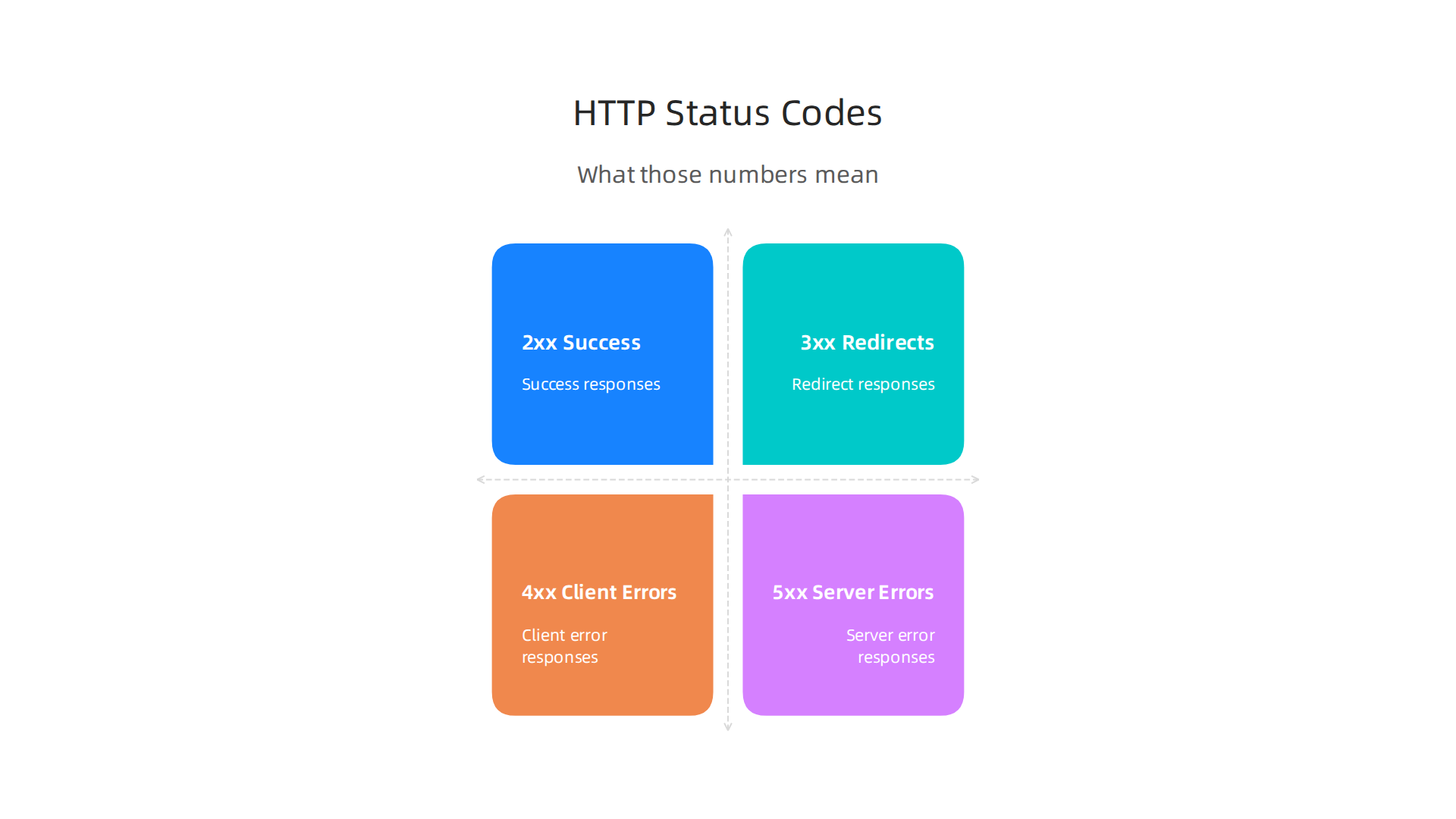
- 2xx Codes (Success): These are good news. A 200 OK code, for example, means everything worked just fine. Your request went through, and the website or API responded exactly as it should. Your website checker will usually report green lights when it sees these.
- 3xx Codes (Redirects): These codes mean the page or resource you asked for has moved. For example, a 301 means it’s moved permanently. Your browser or a website link checker will follow these to the new place. It’s like a store changing its location and putting up a sign pointing to the new spot.
- 4xx Codes (Client Errors): When you see a 4xx code, it usually means there was a problem with your request [^2]. It’s often not the website itself that’s broken, but how you tried to reach it.
- 400 Bad Request: This means the server couldn’t understand what you asked for [^1]. Maybe a link was typed wrong or the data sent to an API was messed up.
- 404 Not Found: This is a common one. It means the website could not find the specific page or file you asked for. The resource simply isn’t there [^5]. A good website link checker will often find these on your site.
When your website checker reports a 4xx error for your crypto exchange or tax software, it suggests checking your input or the specific link you’re trying to use [^3].
- 5xx Codes (Server Errors): These are the big alerts for a website down checker. A 5xx code means the problem is on the website’s side, not yours [^4]. The server itself couldn’t complete your request.
- 500 Internal Server Error: This is a general message that means something went wrong on the website’s server, but it’s not sure what.
- 503 Service Unavailable: This often means the server is too busy or is down for maintenance. It’s like trying to visit a store during closing hours [^8].
If your website checker shows a 5xx error, it’s a strong sign that the service you’re trying to reach has an issue.
What to Do When You See an Error
Errors can be transient (they go away quickly) or persistent (they stick around). If you get an error message, especially for an important crypto exchange or tax platform, try these simple steps before you think it’s a major outage:
- Try a Different Browser: Sometimes, the problem is just with your web browser. Try opening the site in Chrome, Firefox, or Edge.
- Check Your Internet: Use your phone’s data connection (turn off Wi-Fi) to see if you can access the site. This helps check if your home internet is the issue.
- Look for a Public Status Page: Many big crypto exchanges and tax tools have a "status page" where they announce any problems. A quick search for "[exchange name] status" will often find it. This is a great way to see if others are having the same issue or if it’s just you.
If these steps don’t help and the error is persistent, it’s likely a real problem with the website or service. For more help navigating the crypto world, including managing your tax obligations, the Clicks and Trades newsletter offers simple tips and clear guidance.
Staying on top of these details can really help with your crypto bookkeeping and tax preparation in 2026. If you’re looking for practical help to understand your crypto tax obligations and ensure you’re ready for tax season, we can help.
Using a website checker is smart, especially when dealing with your crypto taxes in 2026. These tools don’t just tell you if a site is online. They can be a big part of making sure your tax records are correct and complete. Let’s look at how you can fit these checks into your routine.
Integrating Website Checkers into Your Crypto Tax Workflow
Think of a website checker as a helpful assistant for your crypto tax duties. Here’s how you can use it step by step:
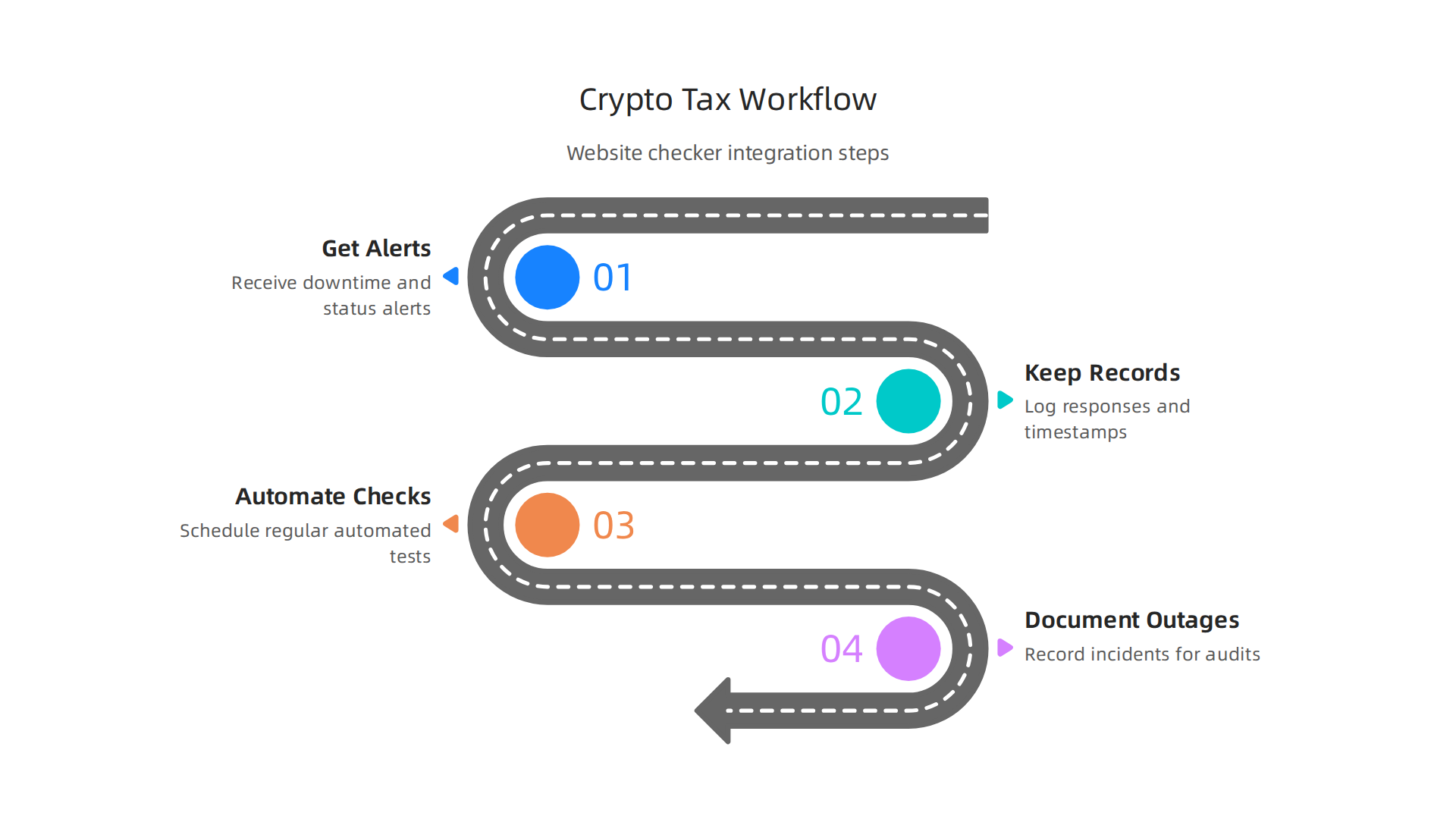
Step 1: Get Alerts for Important Platforms
You can set up a website checker to watch your crypto exchanges and tax tools. If one of these sites goes down, or if there’s a problem getting data, your website down checker can send you an alert. This means you’ll know right away if a service you depend on for tax records is having issues, letting you react quickly. Timely alerts are important because unreliable APIs can cause problems with your data [^24]. Also, keeping an eye on your vendors, like crypto platforms, is a key part of staying compliant in 2026 [^2].
Step 2: Keep Good Records with Checker Logs
Many website checkers can save a history of their checks. You can set them up to feed these logs into a simple spreadsheet. This creates a clear record of when your crypto platforms or tax software were working well and when they had issues. For example, if you use APIs to pull data into tax software, checking the API’s uptime is vital [^21]. Good record-keeping helps you gather all the needed information for your crypto taxes, making sure you don’t miss important details. This is especially useful for managing your crypto bookkeeping in 2026.
Step 3: Automate Checks Before Tax Time
Don’t wait until the last minute to find out if your data sources are working.
You can schedule your website checker to regularly check the sites where you get your crypto transaction history. Before you file your taxes, use a website link checker or sitemap checker. This makes sure all the links to your records and reports are still active and ready. This helps you avoid surprises when you go to import data into your tax software. Checking on your online tools like this is a good security practice too, much like keeping up with cybersecurity best practices in 2026 [^3].
What to Do If an Outage Affects Your Tax Data
If your website checker signals a problem with a crypto platform or tax tool, and you can’t get your needed tax data, it’s important to record what happened.
- Timestamp: Write down the exact date and time the problem started and ended.
- Screenshots: Take pictures of any error messages you see.
- Exported Logs: Save any reports or logs from your website down checker that show the outage.
Having this proof can be very important. If you can’t get your tax data due to a service problem, these records show why. This helps if there are questions about your tax filing later on, supporting your efforts in navigating crypto taxes and achieving audit safety.
By using website checkers wisely, you add another layer of security to your crypto tax preparation. It helps you stay informed and ready, no matter what happens online. For more straightforward tips on managing your crypto and understanding tax rules, the Clicks and Trades newsletter offers simple guidance.
When you’re ready to get a clearer picture of your crypto tax journey and prepare with confidence, we can help.
Using a website checker for your crypto tax needs is a smart move, but you must think about security and privacy first. After all, you’re dealing with important financial information. In 2026, keeping your data safe is more important than ever.
Here’s what to check before you pick a website checker:
What Information Does the Checker Need?
Think about what a website down checker or website link checker actually needs to do its job. It mostly just needs to know if a website or link is working. It doesn’t need to see your private crypto keys or all your transaction details. If a website checker asks for very private information, that’s a red flag. Be very careful about sending any sensitive data. You should never give out private keys to any third-party tool.
Where Does Your Data Go?
When you use a website checker, it might collect some basic info, like which websites you’re watching or how often it checks them. Find out where this data is stored. Is it kept safe? How long do they keep it? A good service will tell you these things in their privacy policy. Many places are updating their privacy rules in 2026 to be even stricter, so good vendors will be open about how they handle your information [^3]. You’ll want to choose a vendor that shows clear privacy controls [^1].
How Secure Are Their Connections?
Any time you connect your crypto accounts or tax software to another tool, you want to make sure the connection is secure.
- HTTPS: Look for "HTTPS" in the website checker’s address. This means the connection between your computer and their service is encrypted, like a secure tunnel. This helps keep prying eyes out.
- Safe Ways to Connect: If the checker needs to talk to your crypto exchange, it should use secure methods like OAuth or API keys. These are like special passes that only give the checker certain limited access, not full control. It’s important to use strong API security practices in 2026 [^4].
- Vendor Trust: Research the company that makes the website checker. Are they well-known for security? Many companies get special reports, like SOC reports, that show how well they protect data [^2]. Choosing reliable partners is a key part of cybersecurity best practices [^1].
Data Retention and Access Controls
Ask these questions about any website checker you’re thinking of using:
- How long does the service keep the logs or data it collects? You want them to keep it only as long as needed.
- Who at the company can see your data? There should be very strict rules about who can access it.
- Does the company follow data privacy laws? Global privacy rules are a big deal in 2026 [^1].
Making sure your website checker handles your data with care helps you stay safe online. It’s a big part of managing your crypto tax journey and making sure you’re ready for tax season. For more helpful tips on staying organized and safe with your crypto, consider subscribing to the Clicks and Trades newsletter. It gives simple steps and advice.
When you’re ready to confidently handle your crypto taxes and ensure your data is secure, we can help guide you through the process.
Choosing the right website checker can feel like a big decision. But don’t worry, we’ll break it down into simple steps. After all the important talk about security and privacy, now it’s time to pick the tool that’s best for you and your crypto tax needs.
Here’s a handy checklist to help you choose wisely:
What Do You Need Right Away?
First, think about what you absolutely need the website checker to do.
- Basic Uptime Check: Do you just need to know if a website is online or if it’s a website down checker? This is the simplest need.
- Specific Link Check: Do you need to check if certain links on a page are working, making it a good website link checker?
- Sitemap Health: Do you want to check if all the pages listed in a sitemap are still there and working? This is where a sitemap checker comes in handy.
- Speed Test: Do you also care about how fast a site loads? Some checkers can do this too.
How Much Do You Want to Spend?
Your budget is important.
- Free Tools: Many simple website checkers are free. They are great for basic checks but might not offer many extra features or very fast alerts.
- Paid Services: If you need more checks, faster alerts, or special features, you might need a paid service. These often come with a Service Level Agreement (SLA), which means the company promises a certain level of service.
Will It Work With Your Other Tools?
Consider if the website checker needs to connect with other services you use. For most crypto tax tracking, a standalone checker is fine. But if you have more advanced needs, check for easy connections.
How Good Are Its Security and Alerts?
Remember what we talked about earlier? Security is key. Make sure the checker keeps your information safe. Also, think about how it tells you if a problem happens.
- Alerting Channels: Can it send you an email, a text message, or a notification on an app? You want to get important alerts right away.
Deciding on Your Monitoring Style
There are different ways to keep an eye on websites:
- Quick Self-Check: This is where you manually visit a site or use a simple free online tool once in a while. It’s good for small, one-time checks.
- Third-Party Monitoring (Free or Basic): Many services offer free plans that check your website automatically. These are usually "synthetic monitoring" tools. They act like a pretend user, checking your site from different places to see if it’s up and working well [^web-alert.io/blog/synthetic-monitoring-vs-real-user-monitoring]. They’re helpful for giving you a basic idea if your site is reachable. In 2026, many reliable free and paid synthetic monitoring tools are available [^onlineornot.com/synthetic-monitoring-tools].
- Paid Monitoring with SLA: For more important websites, or if you run a crypto business, you might choose a paid service. These offer more detailed checks, faster alerts, and often include more features. They use active monitoring to check your site often and send reports [^uptime.com/blog/real-user-monitoring-rum-vs-synthetic-monitoring-what-are-the-differences]. You can find many top website monitoring tools in 2026 that offer these features [^onpage.com/best-website-monitoring-systems/].
Your Action Plan After Choosing
Once you pick a website checker, here’s what to do next:
-
First 30 Days: Get Started and Test
- Set up your chosen website checker. This means telling it which websites or links to watch.
- Do some test runs. If you can, try to make a link or page "break" on purpose to see if the checker sends you an alert. This helps you know it’s working right.
- Look at the reports it gives you. Are they easy to understand?
-
Next 30 Days: Use It Regularly and Make It Better
- Start relying on the checker for your daily needs.
- Adjust the settings if needed. Maybe you want it to check more often, or send alerts to a different email.
- Think about how this tool helps you keep track of information for your crypto taxes. Staying organized is key to avoiding stress, especially when navigating complex tax rules [^cryptotaxcompass.com/navigating-crypto-taxes-2026-reporting-compliance-and-audit-safety].
-
After 60 Days: Document and Review
- Write down how you use the website checker. What sites do you check? How often? This documentation can be helpful for your own records, especially if you ever need to show how you keep track of information for tax purposes.
- Review how well the checker is working for you. Is it still meeting your needs?
- Keep those good records for tax season! Our guide on the 2026 crypto bookkeeping guide to avoid tax chaos and stress can offer more help.
By following these steps, you’ll be well-prepared to choose and use a website checker effectively, making your crypto tax journey smoother in 2026. For more easy-to-follow tips on crypto and taxes, check out the Clicks and Trades newsletter.
When you’re ready to confidently handle your crypto taxes and ensure your data is secure, we can help guide you through the process.
Summary
This article explains why crypto users should rely on website checkers to avoid data gaps and delays that can derail tax preparation. It covers what website checkers monitor—availability, uptime, response time, MTTR, error rates and DNS/SSL health—and why those metrics matter for accessing exchanges, APIs and tax tools. You’ll learn simple DIY checks to tell if a site is down just for you, how to read common HTTP status codes, and the difference between synthetic (active) and real-user (passive) monitoring. The guide also shows how to integrate checks into your crypto tax workflow, collect logs and evidence of outages, and set conservative thresholds to catch problems early. Finally, it highlights security and privacy questions to ask before trusting a checker, and gives a step-by-step checklist for choosing the right service so you can keep your records complete and stay ready for tax season.
By
April 25, 2026