

Mastering Website Optimization Services for 2026 Digital Growth
Why website optimization services matter now (and what this guide will do for you)
Running a business online in 2026 can feel like trying to shout in a crowded room.

You want your website to stand out, right? Especially if you offer important services or give financial advice. It’s not just about getting visitors; it’s about showing that you’re an expert and people can trust you. This is super important because search engines like Google look for something called E-E-A-T: Expertise, Experience, Authoritativeness, and Trustworthiness.
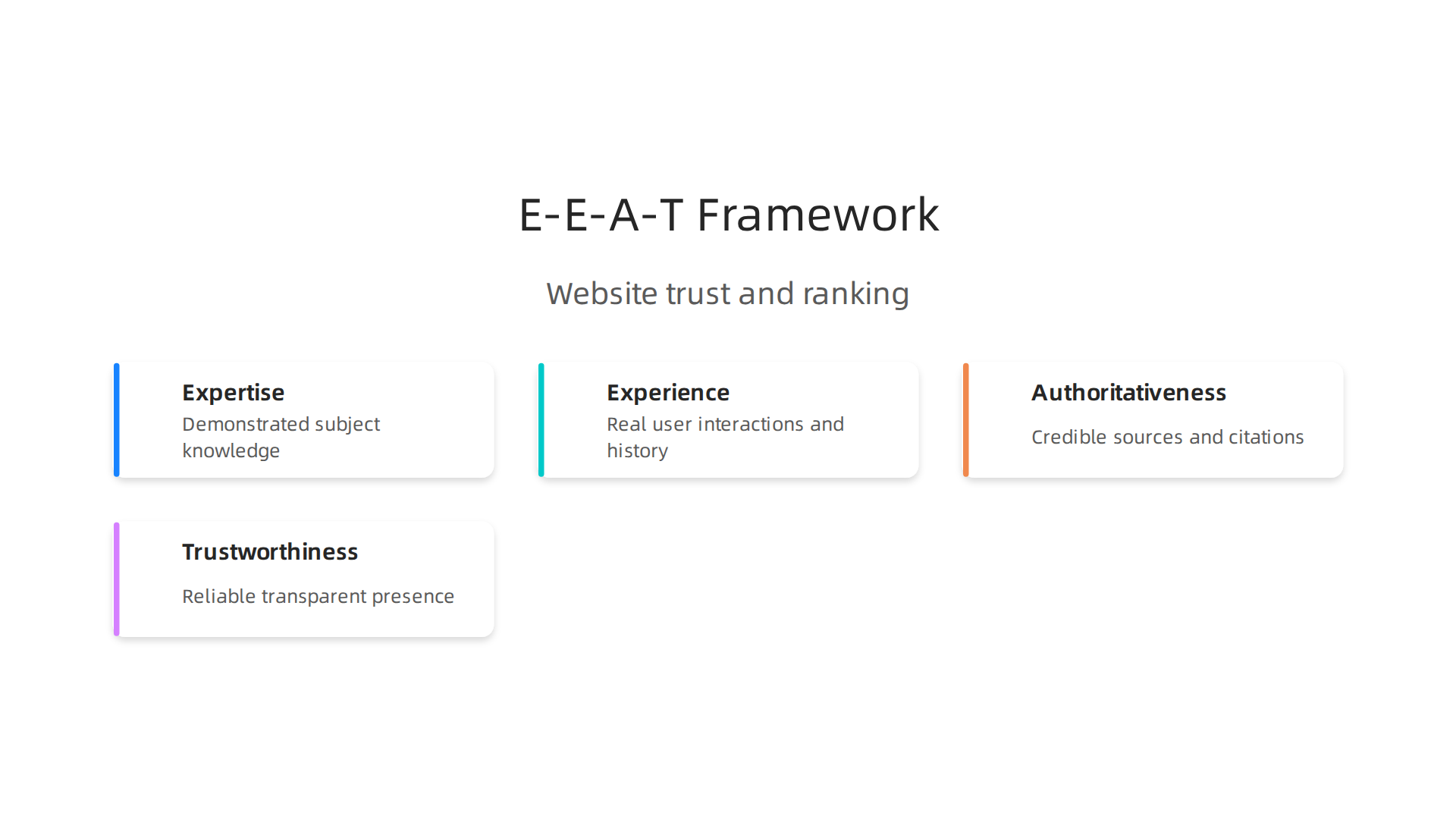
If your site doesn’t show these things clearly, it’s really hard to rank high for what people are searching for.
That’s where professional website optimization services come in. These services help your site get found by the right people, grow your business, and show off your value. Without good optimization, your great content and services might just get lost online.
Actually, studies in 2026 show that businesses really need to focus on how they measure their website’s success to see a good return on their investment from SEO efforts [1, 2]. A smart SEO strategy for 2026 focuses on deep content, how fast your site loads, and how easy it is for people to use [3].
This guide is your easy-to-follow map. We’ll show you step-by-step how to make your website better, focusing on those key E-E-A-T factors. We’ll dive into what website optimization services really involve, from thorough site analysis to important off page SEO work. You’ll learn how to get an effective seo report and what measurable goals (like more visitors or more sales) you should aim for. Think of it as your own playbook to help your business climb to the top of search results and build real trust with your audience. You don’t need an seo certification to understand these steps; we’ll break it all down simply.
Alright, so you’ve heard how important website optimization services are for your business in 2026. But before you jump into making changes, you need to think about who you’re trying to reach. This means really understanding your audience and what they want when they search online. It’s the first step to building that trust and showing your expertise.
Why Knowing Your Audience’s Intent Matters
When someone types words into a search engine, they have a reason. This reason is called "user intent" or "keyword intent." It’s not enough to just look at how many people search for a word. You also need to know what they want to do with that search [1]. In 2026, successful keyword research goes beyond just counting searches; it’s about finding out the true value of those keywords for your potential customers [5].
Here are the main types of intent:
- Informational Intent: People are looking for answers. They want to learn something. Think of searches like "what is crypto tax?" or "how does SEO work?" For these, you’d create helpful blog posts or guides.
- Commercial Intent: People are doing research before they buy something. They might compare different options or look for reviews. Searches like "best website optimization services" or "crypto tax software reviews" fit here.
- Transactional Intent: These people are ready to act. They want to buy, sign up, or hire. Keywords such as "hire crypto tax accountant" or "buy SEO package" show they’re ready to make a move. For these, you need clear service pages or product pages. High-intent keywords like "buy," "hire," "pricing," and "services" are really important for getting leads and sales in 2026 [4].
Mapping Audience Problems to Your Content
Let’s say you offer advice on tricky topics like crypto taxes. Many people are still confused about how to properly report their crypto activities, and they really want to comply with the rules [9]. This is a clear problem your audience faces.
If someone searches "confusion about crypto tax compliance," that’s informational intent. They need clear answers. You could write a blog post explaining the basics, like how to avoid penalties and audits with your crypto taxes. If they search "best crypto tax guidance services," that’s commercial intent. They’re looking for help. Finally, if they search "crypto tax help near me," that’s transactional intent. They want to hire someone right away.
Understanding these different intents helps you decide what content to create for your website optimization services. You’ll know if you need to build out helpful articles, detailed service pages, or clear contact forms. This smart thinking is a big part of your overall site analysis and helps you create a useful seo report later on. If you’re looking for more guidance on complex topics like crypto, the free Clicks and Trades newsletter offers step-by-step education and safety tips, which can be really helpful for staying informed.
By knowing what your audience wants, you can build a website that truly helps them. This makes your site more valuable, which is exactly what Google looks for when it decides who to show at the top of search results [7, 10].
Ready to get more insights and keep learning about smart ways to manage your online presence and finances?
Sign Up for the free Clicks and Trades newsletter today.
2) Keyword Research: Prioritize Commercial Value and Topical Clusters
Okay, so we know why understanding your audience’s intent is so important for your website optimization services. Now, let’s talk about how to find the right keywords to match that intent. In 2026, keyword research is much more than just looking at how many people search for a certain word. It’s about finding out the true value of those keywords for your business and customers [1, 5].
It’s a step-by-step process. First, you start with some main "seed" keywords. These are the basic words or phrases people use to find what you offer. Think of them as your starting points. Then, you expand on these seeds to find many more related words and questions your audience might have. Tools like keyword planners can help you find these ideas, even looking at what your competitors use [2, 6].
Finding Keywords with Value
The next big step is to filter these keywords. You filter them by the intent we talked about earlier: informational, commercial, and transactional. You want to focus on keywords that have high commercial value. This means keywords that show someone is close to buying something or hiring a service. For example, keywords like "buy," "hire," "pricing," or "services" are really important because they often lead to sales and new customers [4].
It’s not just about how many people search for a keyword, but what that search means for your business. For instance, if you offer clear guidance on complicated topics like crypto taxes, keywords related to "crypto tax accountant" or "best crypto tax guidance" show a clear intent to seek help. This helps you figure out which keywords are worth the most to your business.
Grouping Keywords into Topical Clusters
Once you have a list of valuable keywords, the smart thing to do in 2026 is to group them together. Instead of making a separate page for every single keyword, you gather related keywords into "topical clusters."
Imagine you sell website optimization services. Instead of having one page for "SEO services" and another for "local SEO help," you could create a large "SEO Services" cluster. This cluster would include a main page about your overall services, and then other pages or blog posts that go deeper into related topics like:
- Service Pages: These focus on directly selling your website optimization services, like a page for "SEO audit" or "off page SEO strategies."
- Landing Pages: These are specific pages for a particular offer, perhaps for people searching for "free site analysis" or "SEO report templates."
- Cornerstone Content: These are big, helpful articles that cover a whole topic in detail. For example, a complete guide on navigating crypto taxes in 2026 would be a great cornerstone piece.
You could also offer a helpful article like The 2026 Crypto Bookkeeping Guide: Avoid Tax Chaos and Stress if that fits your business.
By grouping keywords this way, you show Google that your website is a full and trusted source of information on a topic. This can boost your SEO and make your website more useful for visitors. This approach is a core part of building a strong SEO strategy [3]. If you want to keep learning about smart online strategies and how they connect to your finances, the free Clicks and Trades newsletter gives you step-by-step education and safety tips.
Ready to get more insights and keep learning about smart ways to manage your online presence and finances?
Sign Up for the free Clicks and Trades newsletter today.
3) Technical SEO & Site Performance: Core Fixes That Move the Needle
After finding the right keywords and grouping them, the next big step for your website optimization services is to make sure your website itself is strong and fast. This is called technical SEO. Think of it like making sure the engine of a car is running perfectly, even if the paint job looks good. In 2026, a website that runs well is a must-have, not just a nice-to-have. It helps people stay on your site and also helps Google understand what your site is about.
Speed Matters: Core Web Vitals
One of the most important parts of technical SEO today are the "Core Web Vitals." These are special measures from Google that look at how fast your website loads, how quickly it becomes useful, and how steady it is while a user is on it. They are still a big part of how Google decides where your site ranks [3].
The main Core Web Vitals you need to know about in 2026 are:
- LCP (Largest Contentful Paint): How fast the biggest part of your page shows up on the screen.
- CLS (Cumulative Layout Shift): How much your page moves around while it’s loading. No one likes a button that jumps away right when they try to click it!
- INP (Interaction to Next Paint): How fast your website reacts when someone clicks or taps on something [1, 4].
If your site does well with these, it means visitors have a good experience. And a good experience can mean more sales and happy customers. Experts agree that Core Web Vitals matter for both rankings and user experience [2, 7].
Making Your Site Fast and Easy to Use
Beyond Core Web Vitals, other things make your website perform well. This includes making sure your site works great on phones and tablets. Most people use their phones to look at websites in 2026, so mobile optimization is super important.

Also, the speed of your server, which is where your website lives, makes a big difference. A slow server can make your whole site feel sluggish.
Your Technical SEO Checklist
To really give your site the best website optimization services, you’ll want to check off these important technical items:
- Crawlability: Can search engines like Google easily "read" all the pages on your site?
- Indexability: Can Google add your pages to its big library so people can find them in search results?
- Structured Data: This is like giving Google special labels about your content, helping it understand things better. For example, if you have a recipe, structured data can tell Google it’s a recipe, not just a blog post.
- Canonicalization: This helps Google know which page is the "main" one if you have very similar pages. This prevents confusion and helps your search ranking.
Doing a full site analysis to check these things is a core part of good SEO. Fixing these technical issues can make a real difference in how your site performs and helps it rank better. For example, understanding how these principles apply to specific, complex topics, such as conquering crypto tax anxiety with fundamental accounting principles for 2026, shows how solid technical foundations can even support specialized content.
If you’re looking for more step-by-step education on how these online strategies connect with important financial topics, you might find the free Clicks and Trades newsletter very helpful. It provides clear guidance and safety tips for digital trends.
Ready to get simple, practical tips on website performance and financial strategies?
Sign Up for the free Clicks and Trades newsletter today.
4) Site Architecture, Crawl Budget, and Mobile-First Indexing
After making your site fast and technically sound, the next important step for effective website optimization services is to organize it really well. Think of your website like a big library. If the books are just thrown everywhere, no one can find what they need. But if they are neatly organized with clear signs, it’s easy for everyone, including search engines, to explore. This is what we call site architecture.
Building a Smart Site Structure
A good site architecture means your website is set up in a logical way. This includes:
- Clear Paths: Users and search engines should easily understand how your pages connect. For example, if you sell shoes, you might have a main "Shoes" page, then "Men’s Shoes," "Women’s Shoes," and under those, "Sneakers," "Boots," and so on.
- Simple URLs: Your web addresses (URLs) should be easy to read and understand. Instead of
yourstore.com/page?id=123, a better URL would beyourstore.com/shoes/mens/sneakers. This tells both people and search engines what the page is about. - Internal Links: Having links within your own site that guide users from one page to another is super helpful. It shows search engines which pages are important and helps them discover new content. A strong internal linking plan is key for good SEO in 2026 [2].
Designing a clear structure helps search engines better understand all your content. It makes it easier for them to "crawl" and "index" your pages, which means adding them to their big database so people can find them. This focus on technical performance and user experience is a big part of how websites grow today [1].
Managing Your Crawl Budget
Now, about "crawl budget." Think of it like this: Google has a limited amount of time and resources to visit and check out your website. This "time" is your crawl budget. For most smaller websites, you don’t need to worry too much about it, as Google usually has enough time. But for very large sites with thousands of pages, managing this budget becomes more important.
Here are simple tips to help Google use its crawl budget wisely on your site:
- Remove Old Pages: Get rid of pages that are no longer useful or have very little content.
- Fix Broken Links: Links that don’t go anywhere waste Google’s time.
- Block Unimportant Pages: You can tell search engines not to visit certain pages (like login pages or old thank-you pages) using special commands. This helps them focus on your most important content.
- Speed Up Your Site: As we talked about before, a faster site allows Google to check more pages in the same amount of time.
If you’re dealing with lots of pages, like different product filters or categories, some website optimization services include strategies for pagination and faceted navigation. These help Google understand which versions of similar pages are most important. A full site analysis can show you where to make these improvements.
Mobile-First Indexing is Here to Stay
Here’s a big one for 2026: Google mainly looks at the mobile version of your website when deciding how to rank it. This is called "mobile-first indexing" [3]. More people use their phones to browse the internet than ever before. So, if your website doesn’t look and work great on a phone, it could hurt your ranking.
To make sure your site is mobile-friendly:
- Responsive Design: Your site should automatically change its layout to fit any screen size, whether it’s a small phone or a large computer monitor.
- Easy to Tap: Buttons and links should be big enough to tap easily with a thumb.
- Fast Loading on Mobile: Mobile users expect speed, so ensure your pages load quickly on their devices. This links back to the Core Web Vitals we talked about earlier.
Keeping these things in mind will not only help your site rank better but also give your visitors a much happier experience. If you are a crypto user, for instance, a well-organized and mobile-friendly site can make it much easier to find crucial information, like how to understand your crypto taxes in 2026 without penalties.
Understanding these steps can feel like a lot. For those who want more simple, practical insights into managing digital strategies and even financial topics like crypto, the free Clicks and Trades newsletter can be a great help. It offers clear guidance and safety tips for navigating today’s digital world.
Ready to get simple, practical tips on website performance and financial strategies? Sign Up for the free Clicks and Trades newsletter today.
5) Content Strategy that Conveys E-E-A-T and Converts Visitors
Once your website is fast and easy to navigate, the next big step is making sure your content truly shines. This means creating helpful information that shows off your knowledge and builds trust with your visitors. In 2026, Google puts a lot of importance on something called E-E-A-T, which stands for Experience, Expertise, Authoritativeness, and Trust

[1]. If your content shows these qualities, Google is more likely to show it to people searching online.
Think about it this way: if you’re looking for important advice, like how to manage your crypto taxes, you want to hear from someone who really knows their stuff, right? Google wants the same for its users.
Showing Your E-E-A-T Through Smart Content
To make your website’s content show E-E-A-T and help people, focus on these things:
- Service Pages That Teach: When you offer website optimization services, your service pages shouldn’t just list what you do. They should explain how you help. Share case studies, show results, and talk about your team’s experience. This proves your expertise and builds trust. Google’s guidelines suggest making content that is truly helpful and reliable for people [2].
- Long Guides and Blog Posts: Writing detailed articles or guides on topics you know well is a great way to show expertise. For example, a guide on "Navigating Crypto Taxes in 2026" shows deep knowledge and authority. These kinds of long-form pieces can establish you as a go-to source. They can also provide a great chance for strong internal linking, which helps search engines understand your site better.
- Helpful FAQs: A Frequently Asked Questions section is more than just a list of questions. It’s a chance to answer common problems and show you understand your audience’s needs. If someone is confused about a crypto tax rule, a clear, simple answer in an FAQ can quickly build trust and make them feel relieved. People looking for help with their crypto taxes often have knowledge gaps [3]. Answering these questions directly makes your site more useful.
When you create content, always think about the reader. Is it easy to understand? Does it answer their questions fully? Is it clear who wrote it and why they are qualified? These details are key for showing E-E-A-T, which greatly impacts your SEO in 2026 [4].
Content That Turns Visitors into Customers
Good content doesn’t just inform; it also guides visitors to take the next step. Here’s how to make your content work harder for you:
- Clear Calls to Action: After you’ve provided valuable information, tell your visitors what to do next. Maybe it’s to contact you for a free site analysis, sign up for a newsletter, or read another helpful article. Make it super easy for them to take that step.
- Easy-to-Find Contact Info: Don’t make people search for how to reach you. Place your contact details clearly on service pages and at the end of helpful guides.
- Trust Signals: Include testimonials from happy clients, awards, or certifications. These small things can make a big difference in convincing visitors that you are reliable. Even something like an official SEO certification can boost confidence.
By focusing on clear, helpful content that demonstrates your experience, expertise, authoritativeness, and trustworthiness, your website optimization services will not only rank better but also naturally convert more visitors. If you’re looking for more simple tips on improving your digital presence and even understanding complex topics like crypto taxes, the free Clicks and Trades newsletter is a wonderful resource. It shares easy-to-understand guidance and safety advice for today’s digital world.
Want to get straightforward guidance on digital strategies and financial safety? You can Sign Up for the free Clicks and Trades newsletter today.
6) Link acquisition, PR, and reputation – earned trust at scale
After making your website content shine, the next step is to make sure the rest of the internet knows about your great work. This is where getting links from other websites and building a good reputation, also known as public relations (PR), becomes very important. Think of links as votes of confidence. When other trusted websites link to yours, it tells search engines like Google that your site is a valuable and reliable source of information. These efforts are often called off page SEO.
In 2026, getting these "votes" needs a careful and honest approach. We want to build trust, not trick anyone. Agencies that offer website optimization services often use ethical ways to build links [5]. This means focusing on quality over quantity and making sure the links come from websites that make sense for your business.
Ethical Ways to Get Links
So, how do you get these valuable links?
- Create Amazing Content: We talked about content already, but it’s worth saying again: truly helpful and unique content naturally attracts links. When you write a great guide or share new research, other people will want to share it too. This is a core part of link building strategies [6].
- Reach Out to Bloggers and News Sites: If you have something really valuable to share, like a helpful article or an interesting case study, you can reach out to relevant bloggers or news websites. They might link to your content if they think their readers will find it useful. Some companies use data experts and content creators for this kind of outreach [7].
- Partnerships and Collaborations: Working with other businesses in your field can also lead to links. For example, if you partner with a web design company, you might feature each other on your websites.
- Local and Global Listings: Make sure your business is listed in important online directories, industry-specific sites, and local business listings. These listings often include a link back to your website and help people find your website optimization services.
These actions improve your website’s standing and help it rank better. Just like understanding complex topics like crypto taxes, building your website’s trust takes careful planning. If you’re tackling something like the 2026 Crypto Bookkeeping Guide, you want to know the information comes from a reputable source.
Building a Strong Reputation with PR
PR is all about how people see your business. A good reputation means people trust you, and that’s great for both customers and search engines.
- Share Your Success Stories: Don’t be shy about your achievements. Use case studies to show how your website optimization services have helped clients. This not only attracts new business but also makes your brand more trustworthy [8].
- Get Featured in the News: If you have something new or interesting happening, like a special event or a new service, you can share it with local or industry news outlets. Getting your company mentioned in news articles can greatly boost your standing.
- Show Your Expertise: Maybe you or someone on your team has an SEO certification or has done a great site analysis for a client. Sharing these kinds of insights, perhaps in an SEO report or a blog post, can highlight your expertise. Public relations trends in 2026 still focus on strategic plans, how-to examples, and case studies to show what you know [9].
By taking these steps to earn links and build a strong reputation, your website optimization services will gain more authority. This not only brings more people to your site but also helps turn those visitors into happy customers.
Learning about digital marketing and growing your online presence can seem tricky. That’s why resources like the free Clicks and Trades newsletter are so helpful. It breaks down complex ideas into easy steps, offering clear guidance for today’s digital world. You can sign up for the free Clicks and Trades newsletter today.
Want more straightforward advice on digital strategies and keeping your online presence safe?
Sign Up for the free Clicks and Trades newsletter today.
7) Measure, iterate, and prove ROI: analytics and CRO for SEO
You’ve worked hard to make your website amazing, create great content, and build a strong reputation. Now, it’s time to check if all that effort is actually helping your business grow. This is where measuring your results, making improvements, and showing how your website optimization services lead to real money comes in.

In 2026, simply getting more visitors isn’t enough; you need to know those visitors are becoming customers.
Connecting Traffic to Money
When we talk about measuring success in SEO, we’re not just counting how many people visit your site. We want to know if those visitors are the right people and if they’re taking steps towards becoming a customer. This means linking your organic traffic, which are visitors who find you through search engines like Google, to actual sales and new leads.
Think of it like this: your website optimization services aim to bring in people who are truly interested in what you offer. A good measurement plan helps you see how many of these interested visitors become "qualified leads" (people who are a good fit for your business) and eventually, paying customers [10]. Knowing this helps you understand the true value of your SEO work, also known as its Return on Investment (ROI) [11]. Many businesses in 2026 are focusing on tracking SEO ROI more closely, using tools to connect clicks to revenue [12].
Making Your Website Better for Visitors
Even if you get a lot of good visitors, your website still needs to guide them to take action. This is where Conversion Rate Optimization, or CRO, becomes very important. CRO is all about making small changes to your website to encourage more visitors to do what you want them to do. These actions could be:
- Signing up for a newsletter
- Downloading a guide
- Filling out a contact form
- Buying a product
- Calling your business
These are often called "micro-conversions" or small steps that lead to a bigger goal. By running CRO experiments, you can test different headlines, buttons, or website layouts to see what works best [13]. The goal is to improve the quality of leads you get from organic search. When more of your visitors from Google complete these helpful actions, it shows your website is working efficiently. This ongoing process of a site analysis and making data-backed changes is key to getting the most out of your efforts.
How We Keep Track and Improve
To measure all this, we use special tools like Google Analytics and Google Search Console. They help us see where visitors come from, what they do on your site, and which actions they complete. Based on what we learn from this data, we can create an SEO report that shows what’s working and what needs to change. This continuous checking and tweaking makes sure your website optimization services are always getting better and bringing in the best results.
Remember, the digital world is always changing. Keeping an eye on your performance and being ready to adjust your strategy is a crucial part of long-term success. Just like understanding your own finances, knowing how your website is performing needs clear numbers. It’s similar to why performance analytics matters for crypto taxes.
If you want to keep learning about smart ways to manage your online presence and understand how to track your success, the free Clicks and Trades newsletter offers clear, step-by-step guidance for today’s digital world. It’s a great way to stay informed and make sure your efforts are paying off.
Want more straightforward advice on digital strategies and keeping your online presence safe?
Sign Up for the free Clicks and Trades newsletter today.
Summary
This guide explains why professional website optimization services matter in 2026 and gives a practical playbook to improve search visibility, trust, and conversions. It walks through how to identify user intent and map audience problems to the right content, then shows how to do modern keyword research and group terms into topical clusters that drive business value. You’ll get a focused technical SEO checklist — Core Web Vitals (LCP, CLS, INP), crawlability, indexability, structured data, and mobile-first fixes — plus advice on site architecture and crawl budget for larger sites. The article covers content that demonstrates E‑E‑A‑T, ways to convert visitors with clear calls to action, and ethical link-building and PR to earn authority. Finally, it explains how to measure results with analytics, run CRO experiments, and create SEO reports that prove ROI so you can iterate and scale your efforts.
By
April 24, 2026