

Navigating Crypto Taxes 2026 Reporting Compliance and Audit Safety
Why crypto taxes feel overwhelming and how this guide fixes that
Hey there! If you’re into crypto, you’ve probably heard about crypto taxes. Maybe the thought of them makes your head spin. You’re not alone! Many people find figuring out their crypto taxes super confusing.

In 2026, it feels even more so because there are so many different ways to use crypto, like trading, mining, or even buying NFTs. Each one can have its own tax rules, and these rules can change a lot depending on where you live.
It’s true, dealing with crypto taxes can be a big headache. You might trade Bitcoin, stake Ethereum, or swap different coins, and each action could be a "taxable event." Plus, every country has its own rules. What might be treated differently for tax in Puerto Rico could be subject to specific capital gains tax rules in Belgium or Korea. And here’s the thing: tax authorities are getting much more serious about making sure everyone reports their crypto correctly Source: How to Avoid A Cryptocurrency Tax Audit in 2026.

For example, the IRS is now using smart computer programs to spot crypto investors who might not have reported everything Source: How the IRS Identifies Crypto Investors for Audit. This means keeping good records isn’t just a suggestion anymore; it’s a must Source: Crypto Tax Strategy for 2026. Trying to figure out which bitcoin tax form you need or how to get your Coinbase tax report can feel like solving a puzzle with missing pieces. You’ll definitely want to understand the basics to avoid penalties and audits.
But don’t worry! This guide is here to help you make sense of it all. We know you want to understand how to file crypto taxes without stress. We’ll give you clear, easy-to-follow steps. You’ll learn exactly what records you need to keep, how to calculate your gains and losses (like for short term crypto tax or the long term capital gains tax rate), and how to use helpful tools. For instance, using a good crypto tax calculator can really simplify things. You’ll learn how to confidently get your information ready, whether you’re dealing with a Robinhood crypto tax form or just need general cryptocurrency tax reporting. Our goal is to make crypto taxes less scary and more manageable, so you can stop guessing and start knowing.
To make sure you’re always in the loop with the latest, helpful crypto tips and clear guidance, you might find it useful to subscribe to the free Clicks and Trades newsletter. It’s a great way to keep learning step-by-step and keep up with tax trends in 2026.
Ready to dive deeper and take control of your crypto tax journey?
Sign Up for helpful insights!
Crypto taxes 101: core concepts every holder should know
Now that we know why crypto taxes can feel tricky, let’s learn some key ideas that will make everything clearer. Knowing these basics is like having a map for your crypto tax journey in 2026.

The government sees virtual currency, like Bitcoin and Ethereum, as property for tax purposes, not like regular money you carry in your wallet Source: Frequently asked questions on virtual currency transactions – IRS.
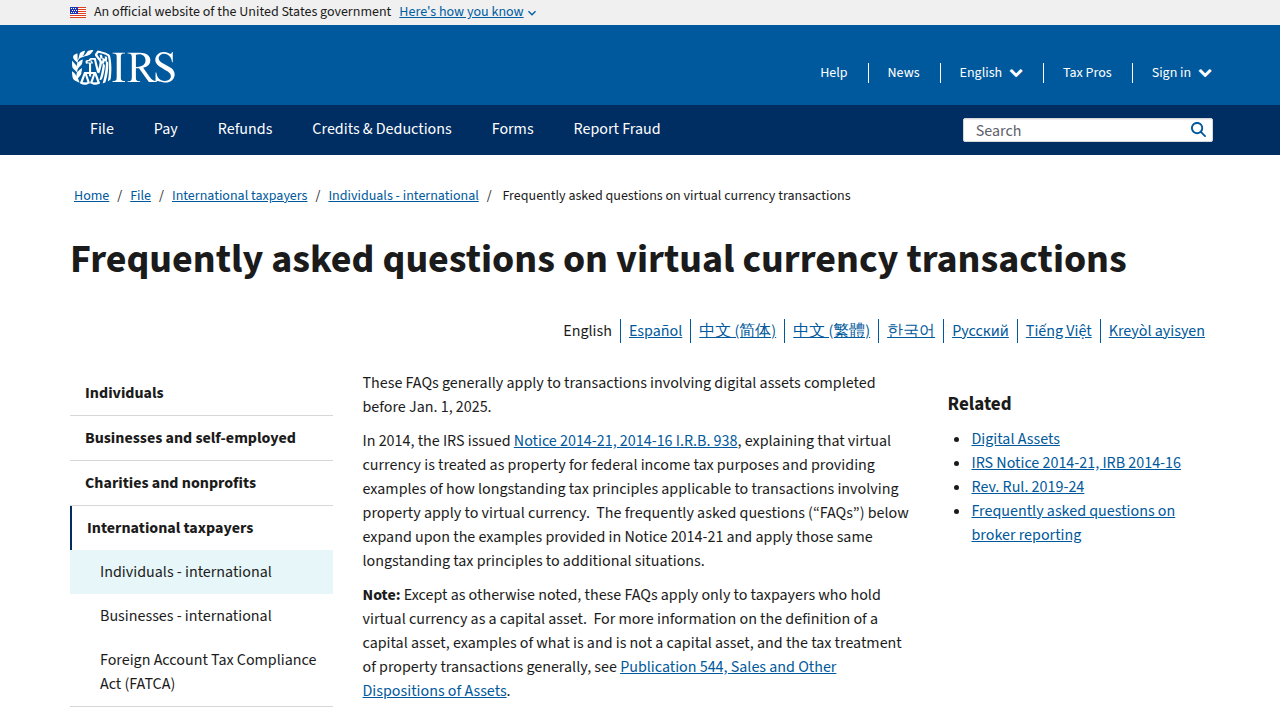
This is a big reason why figuring out crypto taxes is different from regular taxes.
Let’s break down the most important words you’ll hear:
-
Taxable Event: This is any action you take with your crypto that might make you owe taxes. Think of it as a "tax trigger."
- Buying crypto with regular money (fiat): Usually not a taxable event.
- Selling crypto for regular money: Yes, this is a taxable event.
- Trading one crypto for another: For example, swapping Bitcoin for Ethereum. Yes, this is a taxable event too!
- Using crypto to buy things: Like buying a coffee with Bitcoin. Yep, taxable event.
- Getting crypto as a reward: If you mine crypto, stake it, or get paid in it, that’s also a taxable event, but it’s treated differently.
-
Cost Basis: This is a fancy way of saying how much money you paid to get your crypto. It includes the price of the crypto itself plus any fees you paid to buy it. Knowing your cost basis is super important because it helps you figure out if you made money or lost money later.
-
Proceeds: This is the total amount of money you get when you sell or trade your crypto. It’s the selling price.
Once you know your cost basis and proceeds, you can figure out your gain or loss. This is where things split into two main types:
Capital Gains vs. Ordinary Income
This is a really big deal for crypto taxes. The kind of money you make from crypto changes how it’s taxed.
-
Capital Gains: You have a capital gain when you sell crypto for more than your cost basis. For example, if you bought 1 Bitcoin for $10,000 (your cost basis) and later sold it for $12,000 (your proceeds), you have a $2,000 capital gain.
- Short Term Crypto Tax: If you held your crypto for one year or less before selling, that gain is a short-term capital gain. These are usually taxed at your regular income tax rates.
- Long Term Capital Gains Tax Rate: If you held your crypto for more than one year before selling, that gain is a long-term capital gain. These often have lower tax rates, which can save you money.
-
Ordinary Income: This is when you receive crypto as a form of payment or reward. It’s treated like regular income you earn from a job.
- Mining crypto: The value of the crypto you mine when you receive it is ordinary income.
- Staking rewards: When you earn crypto from staking, the value you receive is also ordinary income.
- Getting paid in crypto: If an employer pays you in Bitcoin, that’s ordinary income.
- Airdrops: Sometimes you get free crypto from an airdrop; its value when you receive it is often ordinary income.
Why This All Matters
Knowing the difference between capital gains and ordinary income, and tracking your cost basis, is vital. It helps you understand exactly how much tax you might owe and which bitcoin tax form you need. Keeping good records from the start means you won’t be scrambling later when it’s time for cryptocurrency tax reporting. Actually, using a good crypto tax calculator can really help with this tracking and calculation.
If you want to keep getting simple, clear advice like this to stay on top of your crypto taxes and other important updates, consider joining the free Clicks and Trades newsletter. It’s a great way to learn new steps and helpful tips in 2026 without all the jargon.
Ready to make sure your crypto tax records are spot-on for 2026? Sign Up for helpful insights!
Now, let’s look at the real actions that can trigger your crypto taxes in 2026. Because the government sees crypto as property, not regular money, almost every time you use it, you might create a tax event. Think of it like selling a piece of land or a share of stock. Every time you get rid of it, the taxman pays attention. This is a key part of understanding cryptocurrency tax reporting.
Here are the most common things you might do with your crypto that make it a taxable event:
Trading One Crypto for Another
This is a big one that many people forget. When you swap Bitcoin for Ethereum, or any other crypto for another, it’s considered a sale of your first crypto and a purchase of the second. This means you need to figure out if you made money or lost money on the crypto you sold.
- Example: Let’s say you bought 1 Ether (ETH) for $1,000. Later, when ETH is worth $1,500, you trade that 1 ETH for some Bitcoin (BTC).
- Your cost for that 1 ETH was $1,000.
- You "sold" it for $1,500 (the value of the BTC you got).
- You have a $500 gain. This $500 gain is taxable [Source: Austin Yin – TXCPA Austin Tax Conference].
Selling Crypto for Regular Money (Fiat)
This is probably the most straightforward taxable event. If you sell your crypto for US dollars or any other government-issued money, you need to report it.
- Example: You bought 1 Bitcoin (BTC) for $20,000. You later sell that 1 BTC for $25,000 cash.
- Your cost for the BTC was $20,000.
- You sold it for $25,000.
- You have a $5,000 gain. This gain is subject to crypto taxes.
- Another Example: You bought 1 Bitcoin (BTC) for $20,000. You later sell that 1 BTC for $18,000 cash.
- Your cost for the BTC was $20,000.
- You sold it for $18,000.
- You have a $2,000 loss. This loss can help lower your total taxes.
Remember, if you held the crypto for a year or less before selling, it’s a short term crypto tax event. If you held it for more than a year, it falls under the long term capital gains tax rate, which is often lower.
Spending Crypto to Buy Things
Using crypto to buy goods or services is also a taxable event. The government sees this as you selling your crypto at the moment you spend it, and then using that "money" to make your purchase. This applies whether you’re buying a coffee or a car [Source: The Lummis Crypto Bill and White House Report on Digital Assets].
- Example: You bought 0.1 ETH for $200. Later, you use that 0.1 ETH to buy a $300 gift card.
- Your cost for that 0.1 ETH was $200.
- You "spent" it when it was worth $300.
- You have a $100 gain, which is taxable.
Crypto Swaps (DeFi and Advanced Trading)
Sometimes you might swap crypto in more complex ways, like in decentralized finance (DeFi) or by changing tokens within a liquidity pool. These are often treated the same way as trading one crypto for another. Any time you dispose of a digital asset in exchange for another property or service, it’s a taxable property sale [Source: Global Digital Finance Tax Treatment of Cryptoassets]. This is a key area covered in the PwC Annual Global Crypto Tax Report 2026.
Keeping Good Records is Key
It’s clear that many everyday crypto actions can trigger crypto taxes. That’s why keeping good records is so important. You need to know your cost basis for every piece of crypto you get rid of, no matter how small the amount. Without careful tracking, it’s very hard to fill out your bitcoin tax form or other required documents correctly. A good crypto tax calculator can make this much easier for you in 2026.
We want to help you conquer crypto tax anxiety. If you’re looking for simple, clear guidance on managing your crypto taxes and getting your records straight for 2026, the free Clicks and Trades newsletter can provide more helpful steps and tips.
Ready to make sure your crypto tax records are spot-on for 2026? Sign Up for helpful insights!
Trading vs spending vs swapping: practical distinctions
It might seem like selling your crypto for cash, trading it for another crypto, or using it to buy something are very different actions. But for your crypto taxes in 2026, they all have one big thing in common: they’re typically seen as you getting rid of property. This means you might have to pay crypto taxes on any gains you made. Let’s look at how they’re different in what you get back, but similar in how they affect your taxes.
Selling for Regular Money (Fiat)
When you sell crypto for dollars, euros, or any other government money, it’s pretty clear. You give away your crypto, and you get cash in return.
- How it works: You bought 1 Bitcoin (BTC) for $20,000. You then sell that 1 BTC for $25,000 cash.
- What you paid (your "cost basis") was $20,000.
- What you got (your "proceeds") was $25,000.
- You made $5,000. This $5,000 is a gain that you report for your crypto taxes.
Trading One Crypto for Another
This one can confuse people. When you trade Bitcoin for Ethereum, or any other crypto for another, it’s just like selling your first crypto for cash and then immediately using that cash to buy the second crypto. But instead of cash, you simply get a different digital asset. This is a common taxable event many overlook [Source: Austin Yin – TXCPA Austin Tax Conference].
- How it works: You bought 1 Ether (ETH) for $1,000. Later, when ETH is worth $1,500, you trade that 1 ETH for some Bitcoin (BTC).
- What you paid for the ETH (your "cost basis") was $1,000.
- What you got for the ETH (your "proceeds" from the trade, measured by the value of the BTC received) was $1,500.
- You made $500. This $500 is a gain, and you’ll need to report it on your bitcoin tax form or other cryptocurrency tax reporting documents.
Spending Crypto to Buy Things
Imagine you want to buy a coffee with Bitcoin. The government sees this as you first selling your Bitcoin for its cash value at that moment, and then using that cash to buy the coffee. It’s two steps in one, but it’s still a taxable event [Source: The Lummis Crypto Bill and White House Report on Digital Assets].
- How it works: You bought 0.1 ETH for $200. You then use that 0.1 ETH to buy a $300 gift card.
- What you paid for the ETH (your "cost basis") was $200.
- What you got for the ETH (your "proceeds" from spending it, measured by the value of the gift card) was $300.
- You made $100. This $100 is a gain you must report.
The Big Picture for Your Crypto Taxes
See the pattern? No matter if you get regular money, other crypto, or goods and services, the act of giving up your crypto is what triggers crypto taxes. For each event, you need to know:
- What you paid for the crypto (cost basis).
- What it was worth when you got rid of it (proceeds).
The difference between these two numbers is your gain or loss. Keeping track of all these actions is super important for smooth cryptocurrency tax reporting in 2026. A good crypto tax calculator can make this tracking much simpler.
For more simple steps and clear guidance on managing your crypto taxes and getting your records straight, the free Clicks and Trades newsletter can provide helpful insights.
Ready to make sure your crypto tax records are spot-on for 2026? Sign Up for helpful insights!
Income events: staking, mining, airdrops, and DeFi rewards
We just talked about how selling, trading, or spending your crypto often creates a taxable event because you’re getting rid of an asset. But what about when you get crypto? That’s right, earning crypto can also mean you have to deal with crypto taxes. In 2026, many ways you receive crypto are seen as income. This means they are taxed differently than selling your crypto.
Here are some common ways you might earn crypto that count as income:
- Staking Rewards: When you "stake" your crypto, you lock it up to help a network run smoothly. In return, you often get more crypto as a reward. These staking rewards are taxed as regular income when you get them. The value of the crypto when you receive it is what counts for your income tax [Source: CoinTracking]. Later, if you sell these rewarded tokens, that might be a separate taxable event for capital gains.
- Mining Income: If you "mine" cryptocurrency, like Bitcoin, you use powerful computers to solve puzzles and add new blocks to the blockchain. When you successfully mine crypto, the new coins you get are considered ordinary income. You need to report their value in regular money at the time you receive them [Source: Bleap].
- Airdrops: Sometimes, you might get "free" crypto sent to your wallet from a project. These are called airdrops. Even though you didn’t buy them, the value of those tokens when they land in your wallet is typically counted as ordinary income for your crypto taxes [Source: CoinLedger].
- DeFi Rewards: The world of Decentralized Finance (DeFi) offers many ways to earn crypto, like providing money to a liquidity pool or getting rewards for using certain platforms. Just like staking, these DeFi rewards are often treated as income at the time you receive them [Source: Phemex]. You can learn more about how the IRS views these events by watching this helpful video on US Crypto Taxes Explained: Mining, Staking & Airdrops.
Why This Matters for Your Crypto Taxes
The big thing to remember for all these income events is that the value of the crypto on the day you receive it becomes your "cost basis." This means it’s the starting value for that crypto. If you later sell, trade, or spend that crypto, the difference between this starting value and what it’s worth when you get rid of it will be a capital gain or loss. This is the second tax point for that crypto.
A common mistake people make is forgetting to record the value of these tokens when they first receive them. This can make your cryptocurrency tax reporting much harder later on. Tracking these income events carefully is key to avoiding surprises with your crypto taxes in 2026. For more detailed guidance on keeping good records, check out our 2026 crypto bookkeeping guide to avoid tax chaos and stress.
Keeping up with all these rules can feel like a lot. That’s why many crypto users find tools and guidance very helpful. To make sure you’re on top of these different types of crypto taxes and other important steps, consider signing up for the free Clicks and Trades newsletter for clear, simple guidance.
Ready to simplify your crypto tax journey for 2026? Sign Up for helpful insights!
Keeping good records is super important for your crypto taxes, just like we talked about with income events. If you don’t track things well, it’s easy to get confused later on. This can make dealing with crypto taxes in 2026 much harder. Think of it like a puzzle where you need all the pieces to see the full picture.
What Records Do You Need to Keep?
For every crypto move you make, you should write down a few key details. These are like your digital footprints. Good recordkeeping is a best practice for managing any financial data, especially with new types of assets like crypto. As government policies guide clearer data management, having your own records organized is wise [Source: NATIONAL CLOUD POLICY].
Here’s a simple list of what to track:
- Date and Time: Exactly when did the transaction happen?
- What You Did: Did you buy, sell, trade, send, receive, or something else?
- Which Crypto: What kind of crypto was it? (like Bitcoin or Ethereum)
- How Much: The amount of crypto involved.
- Value in Regular Money: What was that crypto worth in dollars or your local currency at the exact time of the transaction? This is called your "cost basis" if you got it as income or bought it.
- Where It Happened: Which wallet or exchange did you use?
- Why You Did It: What was the reason for the transaction? (e.g., buying something, staking reward, selling for profit).
- Transaction ID: This is a unique number for each transaction, found on exchanges or blockchain explorers.
Bringing All Your Records Together
Most people use many different places for their crypto, like different online exchanges, software wallets, and even hardware wallets. You might also use DeFi apps. Getting all this information into one place can seem tricky, but it’s a must for smooth cryptocurrency tax reporting. Good record collection helps with checking all your transactions from different platforms [Source: SEC.gov].
Here’s how to do it:
- Download from Exchanges: Most crypto exchanges let you download a history of your transactions. Look for reports in a CSV file format. This will give you a big chunk of your data.
- Check Your Wallets: For crypto that’s not on an exchange, you can often use a "blockchain explorer" for each coin to see transactions related to your wallet address. This helps track things like airdrops or sending crypto to friends.
- Note DeFi Activity: For complex DeFi actions, you might need to manually write down the details of what you did, when, and how much crypto was involved. This is especially true for things like lending or providing liquidity.
- Use a Crypto Tax Calculator: This is where tools can really help. Many crypto tax calculators or software can connect to your exchanges and wallets. They pull in your data and help figure out your capital gains, losses, and income. They make it much easier to track everything and prepare your bitcoin tax form or other crypto tax documents.
- Keep a Simple Spreadsheet: If you have fewer transactions, a simple spreadsheet where you enter the details we listed above can work well.
By putting all your records in one place, you can see everything clearly. This helps you understand your tax situation better and makes it easier to figure out how to file crypto taxes without missing anything important.
Want to learn more about keeping your crypto records in tip-top shape? Check out our detailed 2026 crypto bookkeeping guide to avoid tax chaos and stress.
Keeping up with all these recordkeeping best practices can feel like a lot of work. For simple steps and clear advice on managing your crypto taxes, consider signing up for the free Clicks and Trades newsletter.
Ready to simplify your crypto tax journey for 2026? Sign Up for helpful insights!
Practical tools: CSV exports, APIs, and on-chain data reconciliation
Gathering all your crypto transaction records can feel like a big job. Luckily, there are a few practical tools and ways to collect this important data for your crypto taxes in 2026. Think of it like getting different clues from different places to solve a mystery.
Let’s look at the main ways you’ll get your transaction details:
-
CSV Exports from Exchanges:
Many online crypto exchanges, like Coinbase or Binance, let you download your transaction history as a CSV file. CSV stands for "Comma Separated Values," and it’s like a simple spreadsheet. These files are great because they give you a lot of data quickly. You can often get details like the date, type of transaction, amount, and sometimes the value in regular money.- Good for: Getting large amounts of data from one place.
- Might miss: Transactions from other wallets or DeFi activities.
-
APIs (Application Programming Interfaces) with Crypto Tax Calculators:
An API is like a direct connection that lets one program talk to another. Many crypto tax calculators or software tools use APIs to connect directly to your exchanges and some wallets. This means they can pull your transaction data automatically. It saves you from downloading CSVs all the time.- Good for: Automatic data sync, less manual work, especially helpful for figuring out your capital gains and losses for crypto taxes.
- Might miss: Some DeFi transactions or very new, less common exchanges.
If you’re looking for an easier way to handle your tax calculations, a good federal tax calculator for crypto can make a big difference.

- On-chain Data and Blockchain Explorers:
For transactions that happen directly between wallets or on decentralized finance (DeFi) apps, you often need to look at the blockchain itself. A blockchain explorer is a website that lets you see all the transactions on a certain blockchain. You just enter your wallet address, and it shows you everything that moved in or out of it.- Good for: Seeing every single transaction recorded on the blockchain, like airdrops or sending crypto to friends.
- Might miss: The value of the crypto in regular money at the time of the transaction. You’ll often need to find this out yourself.
Bringing it all together: Reconciliation
Sometimes, the data from one source won’t perfectly match another. For example, your exchange’s CSV might show you bought Bitcoin, but your blockchain explorer will just show that Bitcoin arrived in your wallet. This is where "reconciliation" comes in. It means comparing the different data sets to make sure everything lines up and no transactions are missing.
Here’s how to do it:
- Compare all your lists: Look at your exchange CSVs, any data from your crypto tax calculator, and what you found on blockchain explorers.
- Find the gaps: See if any transactions from one source are missing from another. For instance, maybe an airdrop showed up in your wallet (on the blockchain explorer) but wasn’t on your exchange’s report.
- Fill in the blanks: Add any missing details to your main record. This might mean adding the real-world value of a crypto at the time of a transaction if your blockchain explorer didn’t provide it. Making sure your records are consistent across different sources is a key best practice, as seen in financial guidance documents in 2026 and earlier years [Source: SEC.gov].
By doing this, you create a complete and accurate picture of all your crypto activity. This is super important for correctly figuring out your crypto taxes and avoiding any surprises. Keeping good records and reconciling them helps you avoid stress and confusion. For more help on keeping your records in order, check out our 2026 crypto bookkeeping guide.
Understanding these tools and how to use them can simplify your crypto tax journey. If you want more easy-to-understand tips and guidance on navigating the world of crypto, you can always learn more from the Clicks and Trades newsletter. It’s packed with simple steps and clear advice.
Ready to simplify your crypto tax journey for 2026? Sign Up for helpful insights!
Tools & Calculators: How to Choose and Use Crypto Tax Software
After you’ve gathered all your crypto data from exchanges, wallets, and blockchain explorers, the next step is to make sense of it all for your crypto taxes. This is where special crypto tax software comes in handy. Think of these tools as smart helpers that take all your transaction lists and put them into the right boxes for tax reporting. Many people use them to handle their crypto taxes in 2026 because they make the job much easier [Source: CryptoPotato].
What to Look for in Crypto Tax Software
When picking a crypto tax calculator, you want one that can handle all your different crypto activities. Here are some key features:
- Different Cost-Basis Methods: This sounds fancy, but it just means how the software figures out your profit or loss when you sell crypto. For example, "FIFO" (First-In, First-Out) assumes you sell the crypto you bought first. "LIFO" (Last-In, First-Out) assumes you sell the crypto you bought last. Different methods can change your
short term crypto taxorlong term capital gains tax rate. A good calculator lets you choose. - Easy Data Imports: The software should connect to many different exchanges (like Coinbase) and wallets. It should be able to import your CSV files or use APIs for automatic data syncing. This is key for getting a full
coinbase tax reportor anybitcoin tax formdata. - Support for Many Crypto Activities: Your crypto journey probably involves more than just buying and selling. What about airdrops, staking rewards, mining income, or using DeFi apps?
- Airdrops, Staking & Mining: Receiving these is usually taxed as regular income based on their value when you get them [Source: Bleap.Finance, CoinTracking].
- DeFi and NFTs: If you swap tokens, provide liquidity, or trade NFTs, your software should track these complex transactions. Many tools now support DeFi and NFT tax reporting [Source: Blockpit, Blockstats.app]. You can learn more about how staking, mining, and airdrops are taxed from this helpful video guide on U.S. crypto taxes [Source: YouTube].
- Audit Trails and Reports: Good software will generate clear reports that you can hand to your tax accountant or use to fill out your
cryptocurrency tax reportingforms. These reports should show exactly how your capital gains and losses were figured out, helping you avoid surprises if tax authorities ever have questions [Source: Phemex].
A Quick Guide to Using Crypto Tax Software
Using a crypto tax calculator doesn’t have to be hard. Here’s a simple way it generally works:
- Connect Your Accounts: First, you’ll link your crypto tax software to all your exchanges and wallets. You can often do this by giving the software special "read-only" keys (APIs) or by uploading those CSV files you downloaded.
- Review and Label Transactions: The software will then pull in all your transactions. It tries to guess what each one means. Sometimes, you’ll need to help it out. For example, if you got an airdrop, you might need to label it as "income" rather than just a regular transfer. This is important because airdrops are taxed differently than selling crypto [Source: CoinLedger].
- Generate Your Tax Reports: Once all your transactions are correctly categorized, the software does its magic. It calculates your capital gains and losses, figures out any income from staking or mining, and puts it all into the forms you need for tax day. This might include forms like IRS Form 8949 or Schedule 1.
Using a reliable crypto tax software can save you a lot of time and worry when preparing your crypto taxes. It helps you keep clear records and understand your tax situation better. If you’re ready to get organized, exploring different crypto tax software options in 2026 can be a smart move [Source: Token Metrics Blogs].
To keep learning more easy ways to manage your crypto and stay safe, you can always check out the Clicks and Trades newsletter. It’s full of helpful advice.
Ready to simplify your crypto tax journey for 2026? Sign Up for helpful insights!
Understanding your crypto taxes can get a bit more complex when your crypto journey crosses borders. Maybe you live in one country but use an exchange based in another, or perhaps you moved recently. It’s important to know how different countries look at your crypto activities for tax reasons.
Residency-Based vs. Source-Based Taxation
When it comes to taxes, countries usually follow one of two main ideas:
- Residency-Based Taxation: This is like your home country saying, "If you live here, we want taxes on all your money, no matter where it came from in the world." Many countries, including the United States, use this method. So, if you live in the US, you need to report your crypto gains and income from anywhere in the world on your federal income tax return [Source: IRS].
- Source-Based Taxation: Some countries say, "If you made money here, we will tax that money here, even if you don’t live in our country." This means if you earn crypto profits from activities happening within their borders, that country might tax you on those specific earnings.
The big picture is that you might owe crypto taxes in more than one place if your crypto activities are truly global.
Practical Steps for Cross-Border Crypto
Dealing with cryptocurrency tax reporting across different countries can be tricky. Here are some simple tips to help you manage:
- Know Where You Are a Tax Resident: Your tax residency is super important. It usually depends on where you live most of the year, where your family is, or where your main work is. If you’re unsure, it’s best to find out your exact status.
- Keep Records for Everything: This is true for all
crypto taxes, but even more so for international activities. Make sure your records show where transactions happened, what currency was used, and the value at the time. A goodcrypto tax calculatorcan help keep track of yourbitcoin tax formdata, no matter where the transactions occur. - Understand Foreign Exchange Rules: If you use exchanges based outside your home country, you still need to report those transactions. Many countries are working together to share information about crypto users. For instance, the Crypto-Asset Reporting Framework (CARF) is helping countries collect and share data from crypto exchanges about their customers’ tax residency and crypto holdings [Source: Harvard Law Review].
- Seek Local Advice: This is perhaps the most important tip. Tax rules can be very different from one country to another. For example, countries like Belgium have their own
belgium capital gains tax cryptocurrencyrules, and what might becrypto tax-free puerto ricowon’t apply everywhere. If you have international crypto holdings or have moved countries, talk to a tax professional who specializes in both crypto and international tax law in your specific country. They can help you understand yourshort term crypto taxandlong term capital gains tax rateobligations andhow to file crypto taxescorrectly. Getting proper guidance can help you avoid problems, which is key for navigating the complexities ofcrypto taxesin 2026.
For more helpful insights and guidance on managing your crypto and staying safe, remember to check out the Clicks and Trades newsletter. It’s a great way to stay informed.
Ready to simplify your crypto tax journey for 2026? Sign Up for helpful insights!
No one wants to hear the word "audit," especially when it comes to your crypto. But with crypto taxes becoming a bigger focus in 2026, it’s wise to know what might cause a tax agency to look closer at your returns. It’s also smart to be ready.
Common Red Flags for Crypto Audits
Tax agencies are getting much smarter about crypto. They are using new tools and more staff to find people who might not be reporting their crypto earnings correctly [Source: CoinLedger]. Here are some big red flags that could lead to an audit:
- Unreported Income: If you make money from selling crypto, staking, mining, or getting airdrops, and don’t report it on your tax forms, that’s a major red flag.
- Mismatched Forms: Your crypto exchange might send a form to the tax agency showing your crypto activity. If the numbers you report on your
bitcoin tax formdon’t match what the exchange told them, this could cause problems. For example, if you claim a different cost for your crypto than the broker reported, that’s called a "basis mismatch" and is a known red flag [Source: Wolf Tax]. - Incomplete Records: If you trade crypto often but don’t keep good records of each trade, including dates, amounts, and values, it’s hard to prove your tax calculations. Tax agencies see incomplete records as a risk [Source: Bitbookkeepers]. In fact, they are even using advanced tools like AI to help find crypto investors who may have underreported their earnings [Source: YouTube].
How to Get Ready and Reduce Your Risk
The good news is that you can take simple steps to lower your audit risk and feel more confident about your cryptocurrency tax reporting.
- Keep Excellent Records: This is the most important step. Write down every crypto transaction. Note the date, what you bought or sold, how much it cost or was sold for, and what currency was used. Having clear records for all your
short term crypto taxandlong term capital gains tax rateevents is crucial. For more details on staying organized, you can read our guide on The 2026 Crypto Bookkeeping Guide: Avoid Tax Chaos and Stress. - Use a Crypto Tax Calculator: A reliable
crypto tax calculatorcan help you track all your trades and generate reports. This makes preparing yourcoinbase tax reportor any other exchange data much easier. It helps ensure your numbers are correct and consistent. - Report Everything: Even small amounts of crypto gains or income should be reported. It’s better to report everything accurately than to leave something out and risk an audit later.
- Double-Check Your Forms: Before you file, carefully review all your tax forms. Make sure the information matches your records and that you haven’t made any mistakes. Getting proper guidance can help you understand your
how to file crypto taxescorrectly. For more tips on making sure you’re compliant, check out our guide on Crypto Taxes: The 2026 Guide to Avoiding Penalties and Audits. - Seek Professional Help: If your crypto activities are complex, or if you’re worried about
crypto taxes, talk to a tax professional who knows about crypto. They can help you understand your specific situation and prepare your returns correctly.
Staying organized and reporting accurately are your best defenses against an audit. For more helpful insights and guidance on managing your crypto and staying safe, the Clicks and Trades newsletter is a great resource to stay informed.
Ready to simplify your crypto tax journey for 2026? Sign Up for helpful insights!
Summary
This article breaks down why crypto taxes feel confusing in 2026 and gives a clear, practical roadmap to regain control. It explains core concepts—taxable events, cost basis, proceeds, capital gains versus ordinary income—and shows which everyday actions (trading, spending, staking, mining, airdrops, DeFi swaps) trigger taxes. You’ll learn what records to keep, how to collect data from exchanges, wallets, CSVs, APIs, and blockchain explorers, and how to reconcile mismatched sources. The guide also covers choosing crypto tax software, the difference between selling, trading and spending for tax purposes, cross‑border implications, and common audit red flags. After reading, you’ll know which transactions to track, how to calculate gains or income, what tools can simplify reporting, and practical steps to reduce audit risk and avoid penalties.
By
April 22, 2026